
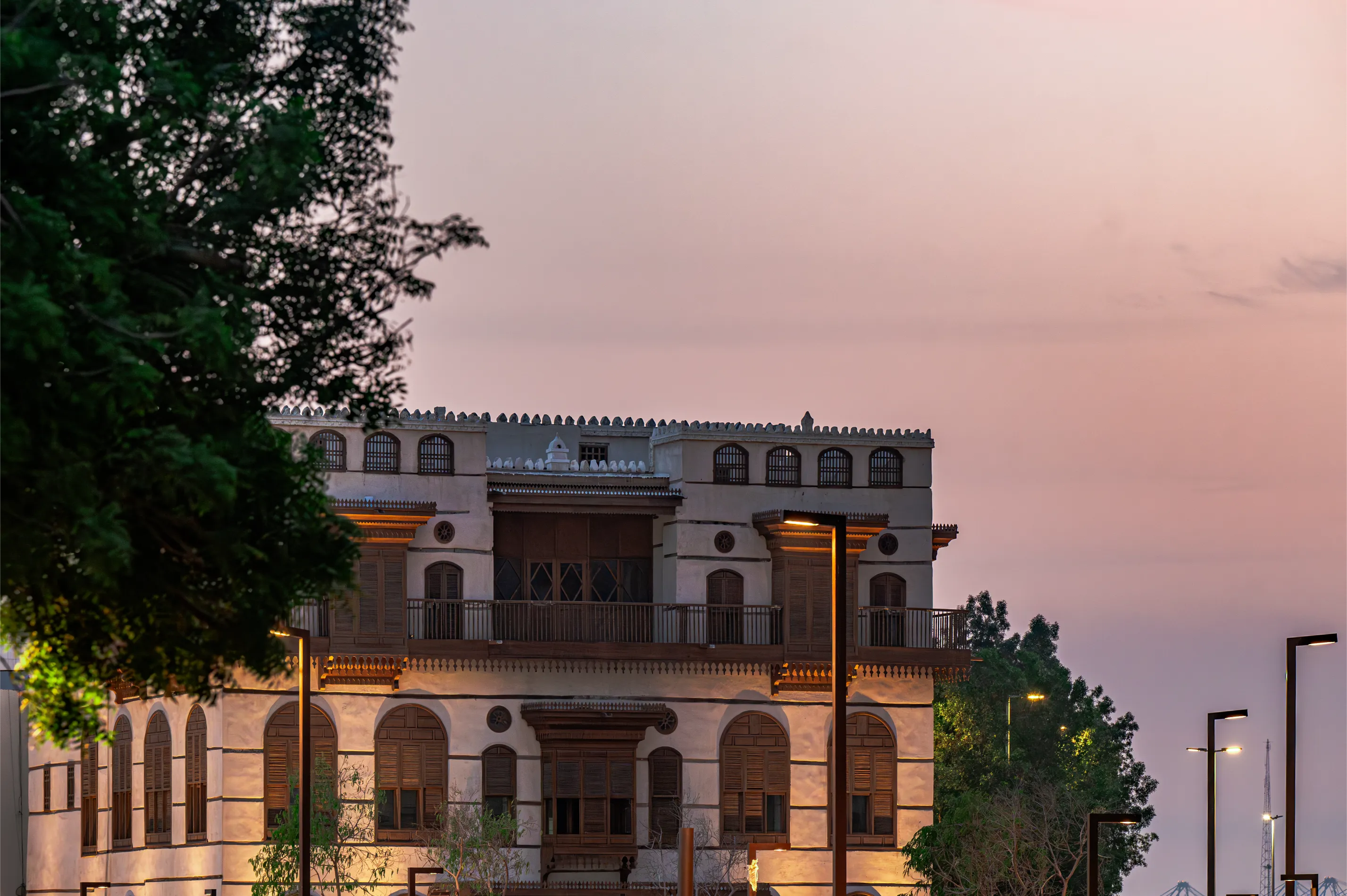
We preserve our cultural heritage in a modern and sustainable form and transform it into an engine of the economy and a maker of opportunities
By a royal decree from the Custodian of the Two Holy Mosques, King Salman bin Abdulaziz Al Saud, in 2018, Jeddah Historic District Program was established within the Ministry of Culture with an independent budget. Its objective is to manage Jeddah Historic District and preserve its tangible and intangible heritage. based on its historic importance as a gateway to the Red Sea, and a global trade center and the main receiving point for pilgrims.
In 2021, His Royal Highness Prince Mohammed bin Salman bin Abdulaziz Al Saud, Crown Prince, and Prime Minister, launched the Revitalizing Jeddah Historic District project. It aims to revolutionize Jeddah's historic District by developing its living space and investing in its cultural elements to contribute to economic growth.




In 2014, Jeddah’s historic district, Historic Jeddah, was registered as Saudi Arabia’s third UNESCO World Heritage Site. The value of Historic Jeddah lies in its location, historical significance in the Muslim world, and in its distinctive architecture. Historic Jeddah lies along Jeddah’s Islamic Port, which for centuries has welcomed pilgrims arriving by sea, and goods brought in through the Indian Ocean trade route. Historic Jeddah has nine gates, each with its own story in history, and was once surrounded by a wall, which is known to have protected the city from a Portuguese siege in 1517 AD.
Jeddah Historic District Program marks 10 years of Historic Jeddah's inscription on the UNESCO World Heritage List. Acknowledging the efforts of Jeddah Municipality and Saudi Heritage Commission in the conservation and protection of the district's heritage.
Pillars of Historic Jeddah's Inscription on the UNESCO World Heritage List
Historic Buildings
Rich Cultural Heritage
Distinctive Urban Fabric
The UNESCO World Heritage listing of Historic Jeddah was attributed to its fulfillment of three criteria of Outstanding Universal Value:
Important exchange of human values, building materials, and techniques across the Red Sea region.
Trading and pilgrimage city and the only surviving urban ensemble of the Red Sea cultural world.
Associated, both at the symbolic intangible level and at the architectural and urban level, with the Hajj.
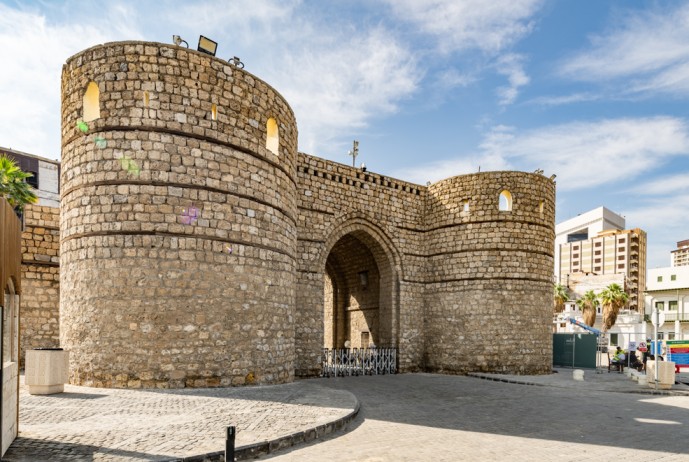
Jeddah Historic District was listed on the UNESCO World Heritage List.
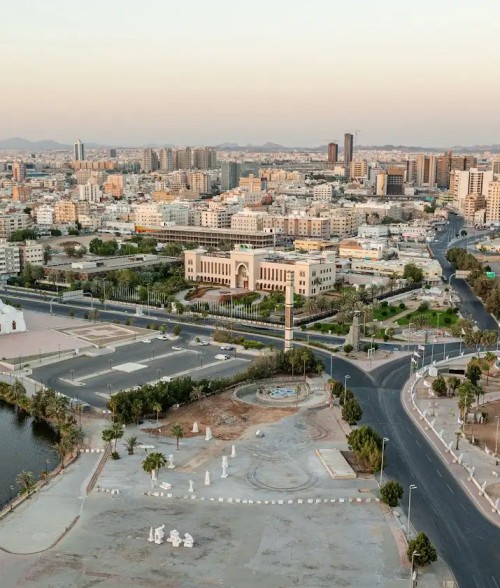
Establishment of The Jeddah Historical Directorate as a department under The Ministry of Culture.

His Highness the Crown Prince and Prime Minister has announced a project to preserve and restore 56 historical buildings at his own expense.
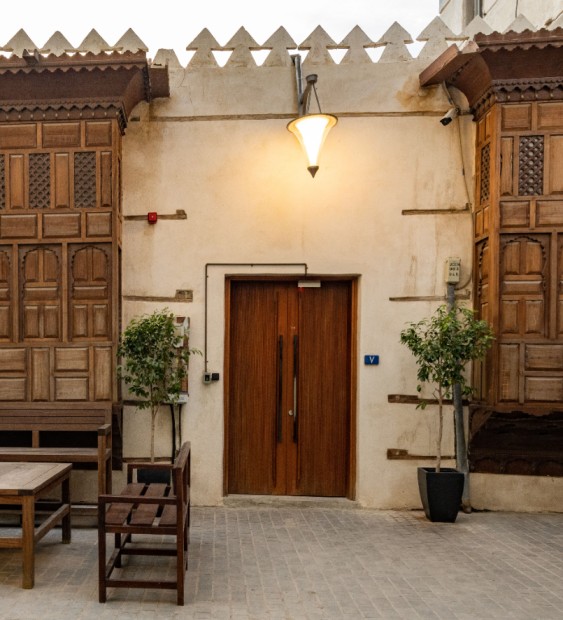
A royal decree has been issued to transform the Directorate of Historic Jeddah into a Program under the Ministry of Culture.
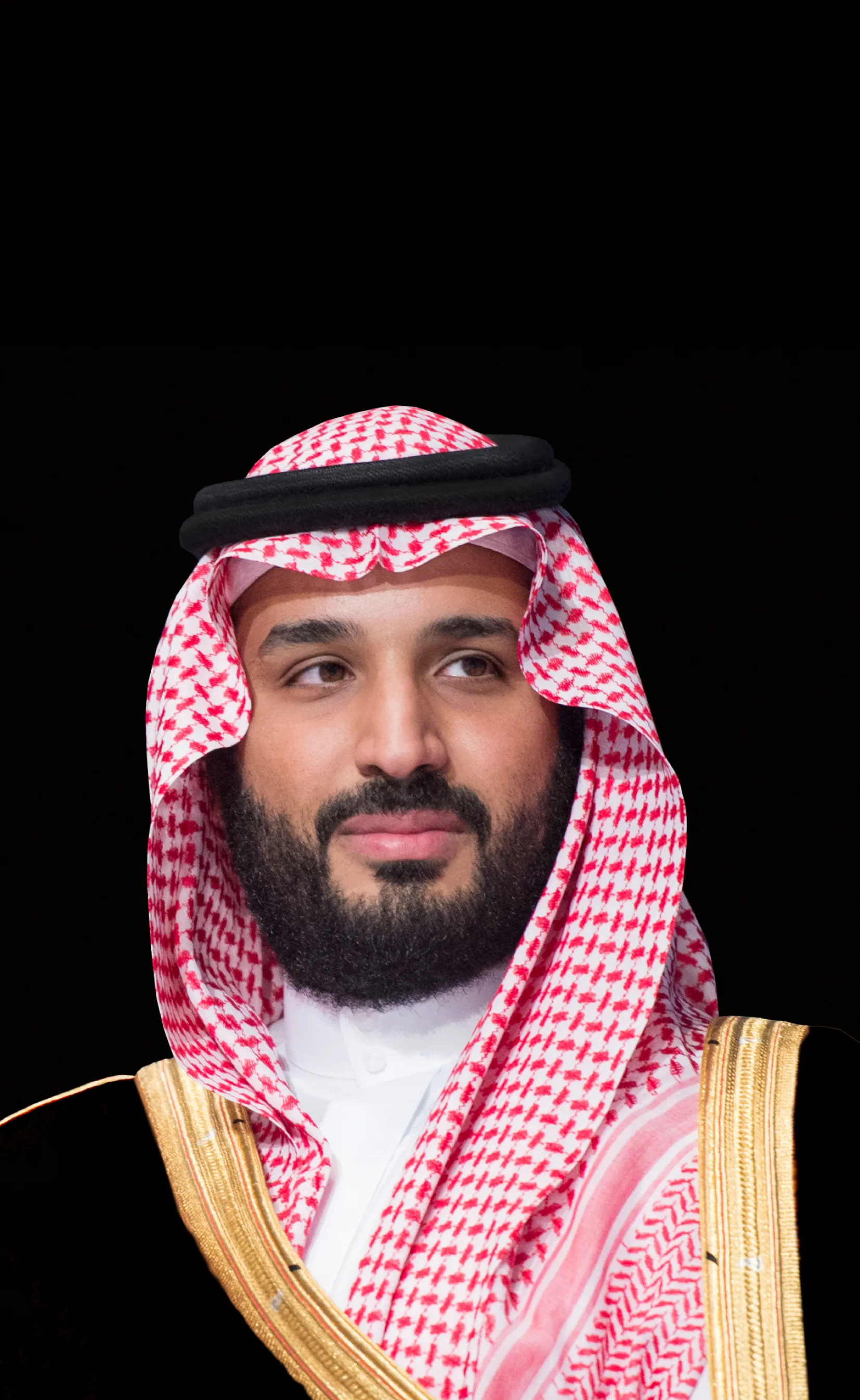
The Crown Prince and Prime Minister announced the launch of Jeddah Historic District Revitalization Project and approved its master plan.

